Welcome To Know Our Products, We Can Offer You High Quality Products!
WhatsApp : +8617736177359
Email : sales@fqcarbon.com


How Graphite Electrodes Are Used in Steelmaking
2023-10-10
How Graphite Electrodes Are Used in Steelmaking
Introduction
Graphite electrodes are essential components in the steelmaking industry, playing a crucial role in the process of refining iron ore into high-quality steel. These electrodes are made from high-purity graphite and are used in electric arc furnaces (EAFs) to generate the intense heat required for melting scrap metal and other raw materials. In this article, we will explore the significance of graphite electrodes in steelmaking and delve into the process of how they are used to refine steel.
Graphite Electrodes: The Basics
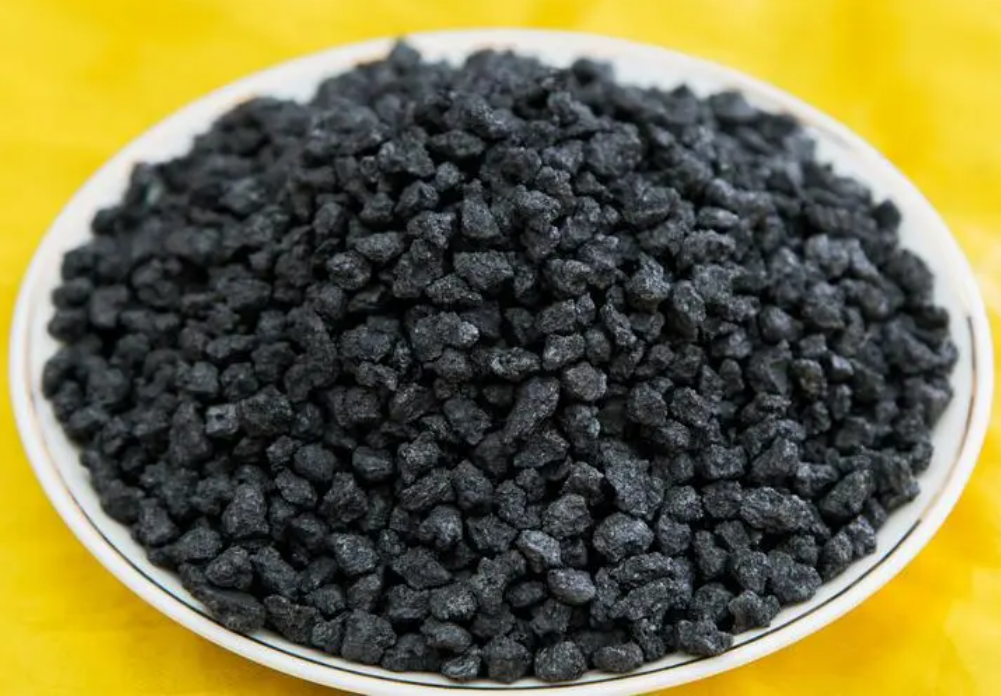
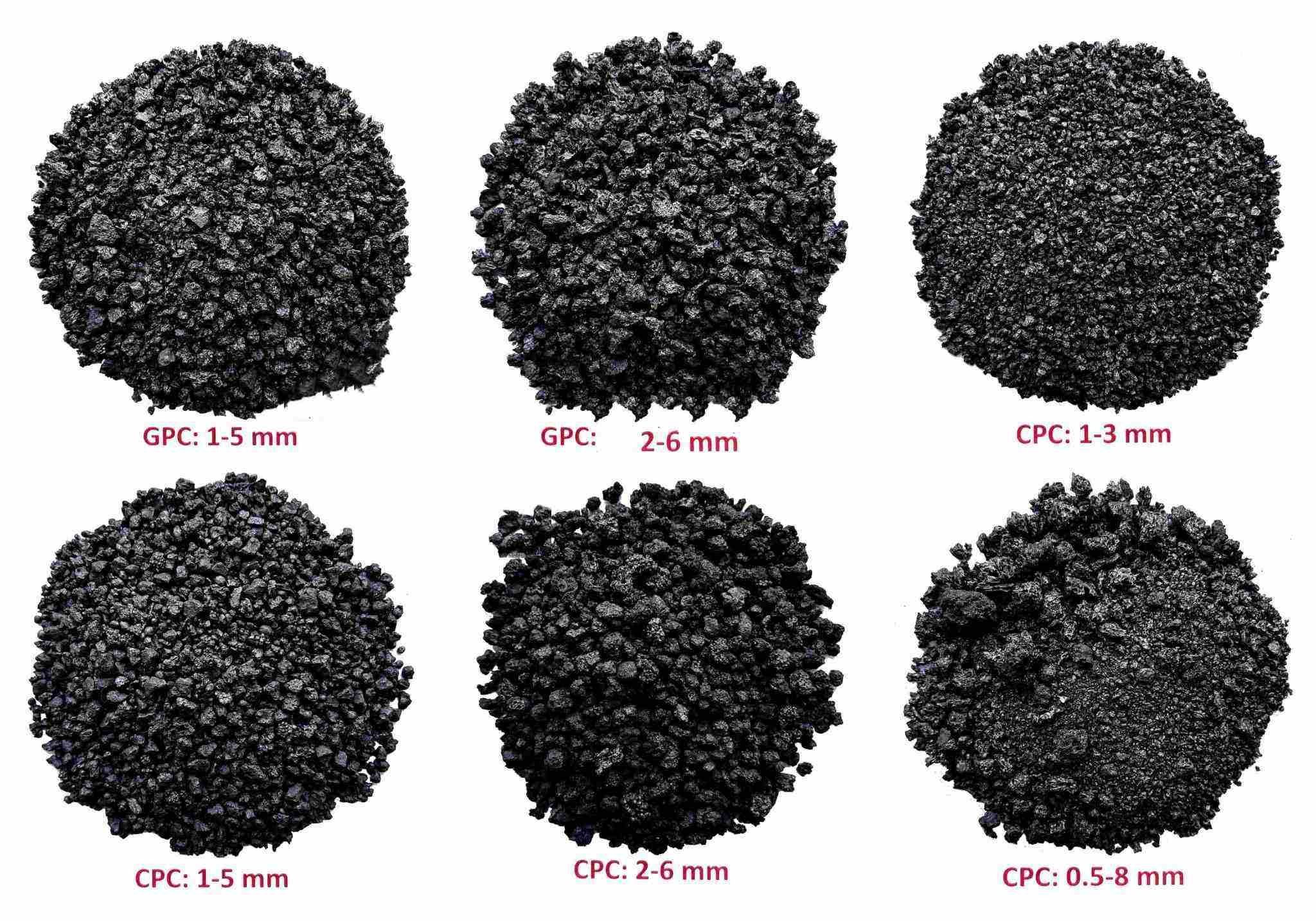
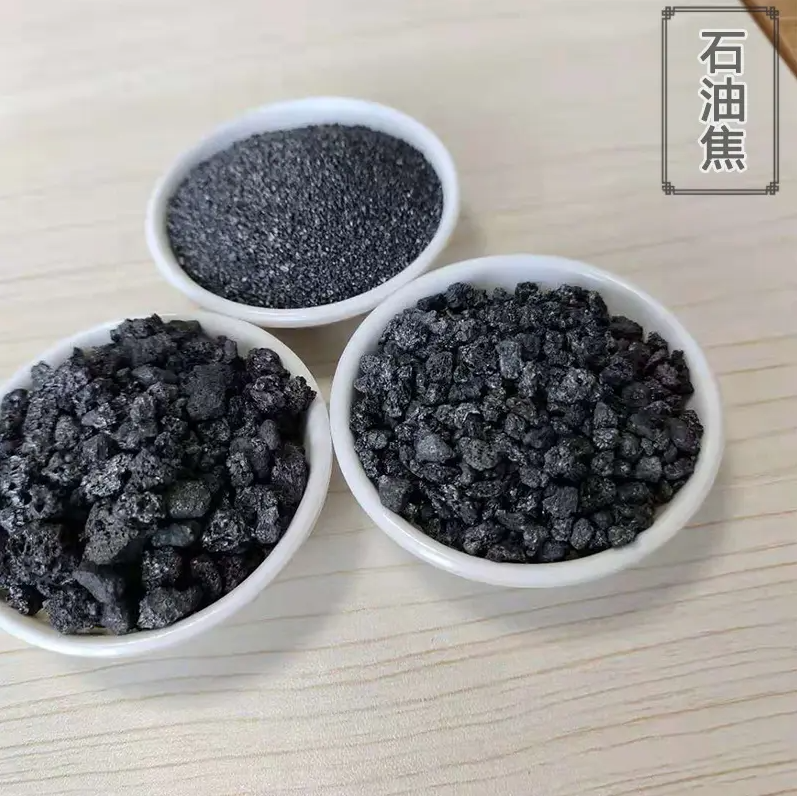
Graphite electrodes are cylindrical rods typically made from petroleum coke and needle coke, which are both forms of highly purified carbon. These materials are subjected to extreme heat and pressure in a process called graphitization, which converts them into graphite with exceptional thermal conductivity and resistance to high temperatures.
The Role of Graphite Electrodes in Steelmaking
Graphite electrodes serve as conductive materials within EAFs, where they are used to create electric arcs. These arcs generate temperatures exceeding 3,000 degrees Celsius (5,400 degrees Fahrenheit), enough to melt various steelmaking raw materials, such as scrap metal, pig iron, and alloys. Here's a step-by-step overview of how graphite electrodes are used in the steelmaking process:
-
Charging the Furnace:
- Raw materials, including scrap metal and other additives, are loaded into the electric arc furnace.
-
Arc Formation:
- Graphite electrodes are lowered into the furnace.
- A high-voltage electrical current is passed through the electrodes, creating a powerful electric arc between the tip of the electrode and the materials inside the furnace.
-
Melting:
- The electric arc generates intense heat, causing the materials in the furnace to melt.
- Impurities in the raw materials are oxidized and removed as slag, leaving behind molten steel.
-
Refining:
- Alloying agents and other additives can be introduced to refine the composition of the steel.
- Temperature and chemical composition are carefully controlled to meet specific quality standards.
-
Tapping:
- When the steel is ready, it is tapped from the furnace and directed into ladles for further processing or casting into various shapes.
Graphite Electrode Properties
Graphite electrodes must possess specific properties to withstand the extreme conditions within electric arc furnaces:
- High thermal conductivity to transfer heat efficiently.
- High electrical conductivity to sustain the electric arc.
- Excellent mechanical strength and resistance to thermal shock to endure the harsh environment.
- Low porosity to resist oxidation and erosion.
Conclusion
Graphite electrodes are vital components in the steelmaking industry, enabling the production of high-quality steel through electric arc furnaces. Their exceptional properties, including high thermal and electrical conductivity, make them indispensable for achieving the extreme temperatures required for melting and refining steel. As the steel industry continues to evolve and demand for high-performance materials grows, the role of graphite electrodes in steelmaking remains as important as ever.
RELEVANT INFORMATION
CHENGAN COUNTY SF CARBON CO.,LTD
We are a large-scale comprehensive enterprise integrate production, trade and business consulting services. Can provide different types of products and services needed in many fields.
Contact Us
+86 17736177359
Room 1553, 15th Floor, Jiangquan Building, Congtai District, Handan City, Hebei Province, China